Lisbon invites you to slow down with a kind of elegance that never tries too hard. The city’s palaces—some reborn as refined hotels, others preserved as living museums—offer a sanctuary where tilework glows like morning light, courtyards breathe the scent of citrus, and the Tagus shimmers just beyond a line of cypress. “Unwind in Grandeur at Lisbon Palaces” is not merely a call to rest; it is an invitation to inhabit centuries of craftsmanship and culture with modern ease. Here, hospitality feels ceremonial yet effortless: a silver tray of herbal tea at dusk, azulejo-lined halls cooled by river breezes, and terraces that watch the city climb its seven hills in soft, amber steps.
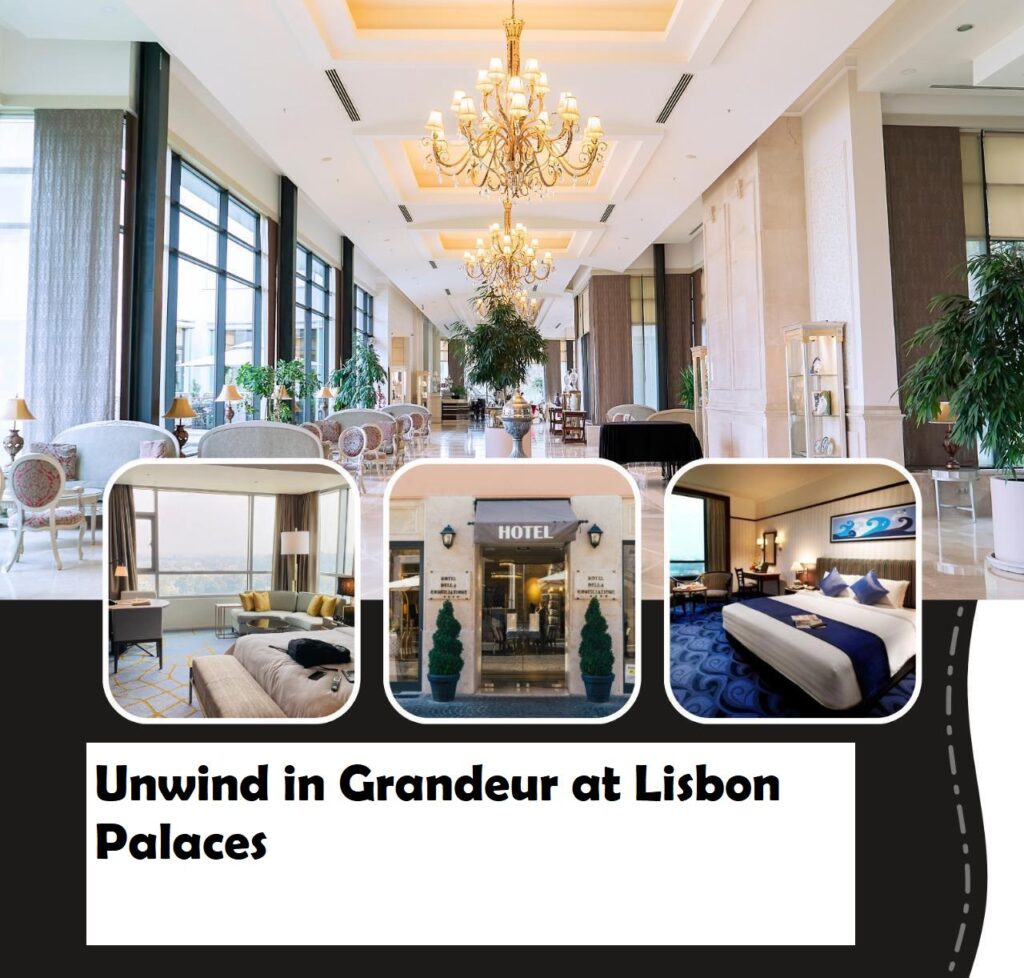
Azulejo Mornings, Sunlit Balconies
Begin your day with a quiet ritual: doors open to a balcony, air touched with sea-salt and jasmine, and intricate azulejos mapping stories across the walls. Palace suites often trace graceful proportions—high ceilings, parquet floors, silk drapery—that cradle the senses rather than overwhelm them. Breakfast arrives like a vignette: seasonal fruits, local cheeses, pastel de nata still warm, and coffee poured into fine porcelain. You don’t rush; Lisbon doesn’t ask you to. The art, the tiles, the soft clink of china—all of it conspires to set an unhurried rhythm.
Riverfront Calm, Tea and Time
Afternoons belong to the Tagus. Many palatial addresses sit near avenues that slope toward the river, where light stretches and softens everything it touches. Slip into a tearoom lined with carved wood and mirrors; order verbena or citrus-blossom infusions with buttery sandes de fiambre or delicate almond cake. Time loosens its grip here. In a library salon, you leaf through travelogues and poetry, the hush broken only by distant tram bells. A concierge suggests a private boat at golden hour—nothing loud, nothing hurried, just the city reverberating in gold.
Fado Evenings, Velvet Glow
As dusk bruises into night, Lisbon’s palaces turn velvety and intimate. Candlelit corridors, a pianist warming up, a bar that shakes martinis with old-world manners. Perhaps you dress for dinner in a black-lacquered dining room where the ceiling fresco glances down approvingly. The menu is contemporary Lisbon: red prawns with citrus, slow-cooked black pork, Dão wines that arc from mineral to velvet. Later, a discreet car whisks you to a fado house in Alfama; you return under moonlight, the city’s ache and beauty still humming in your chest.
Secret Gardens and Spa Rituals
Behind gilded gates and ivy-laced walls lie gardens shaped for contemplation—geometric hedges, tiled benches, a marble fountain murmuring to itself. Palace spas borrow their palette from Lisbon’s elements: sea salts, orange blossom, olive oil, stone. A therapist works with unhurried precision; afterwards, you float between steam and cold splash, stepping out to lemon trees starred with fruit. The city waits beyond the gate, but you linger—because this, too, is Lisbon: private, restorative, impossibly gracious.
Q&A: Planning Your Palace Stay in Lisbon
Which neighborhood suits first-timers?
Stay in Chiado/Baixa for walkable shopping and theaters, Alfama for soulful lanes and fado, or Lapa/Estrela for embassy quiet, river views, and residential elegance.
Standout palace-style hotels to consider?
Pestana Palace Lisboa (a 19th-century national monument with lush gardens); Olissippo Lapa Palace (hilltop serenity and river panoramas); Palácio Ludovice Wine Experience (historic townhouse with oenological flair near Avenida da Liberdade); Torel Palace Lisbon (boutique mansions above the city with a poetic sense of place); Palácio Belmonte (museum-like suites overlooking Alfama and the river).
How many nights do I need?
Three to four nights let you settle into palace rhythms, enjoy spa time, and still wander Belém, Alfama, and the riverside without rushing.
Best time to visit for comfort and light?
March–May and September–October deliver gentle temperatures and luminous evenings; summer dazzles but can be warm and lively.
What experiences feel especially “palatial”?
A private tile workshop tour, a river sunset cruise, high tea in a historic salon, and after-hours museum access arranged by your concierge—all elevate the sense of privilege.
Is this suitable for families?
Yes. Many palaces offer connecting rooms, gardens for play, and kid-friendly menus; staff are adept at creating small rituals children remember.
Any dress code tips?
For fine-dining rooms and cocktail bars, aim for smart casual with a polished twist; Lisbon favors style that whispers, not shouts.
Conclusion: Your Seat at Lisbon’s Golden Table
To unwind in grandeur at Lisbon’s palaces is to claim a rare kind of quiet—one embroidered with art, softened by service, and brightened by river light. You arrive as a traveler and are greeted as a guest of the house, guided through rooms where time slows and details sing: the curve of a wrought-iron balcony, the cool mosaic under bare feet, the confident pour of a vintage from the Douro. Outside, the city climbs and sparkles; inside, you find a rhythm that belongs only to you. This is Lisbon at its most exclusive—not distant or formal, but intimately grand—offering you a place at its golden table and the luxury of taking your time.
